Thrown Together: Spinach Salad with Pomelo, Seared Scallops & Calamari

21 Feb

Life is busy. That is one constant in my life that I don’t see shifting anytime soon. Even without kids, it often feels like my head is spinning all day long just trying to get everything done.

So despite loving to cook, we more often than not scramble to get dinner on the table and during a busy week it can feel like more like a chore than a pleasure. Some nights a bowl of cereal looks mighty appealing when weighing the effort, time and thought that has to go into making anything else.

But we often find on those unmotivated nights that when we push ourselves to think of/create easy dishes that don’t require a ton of time or clean up, we feel so much happier in the end that we resisted pulling out the cereal boxes (or our even-worse habit of just going out to eat instead). 

Last week we had just that kind of night. Leaving work after a long and brain-draining day (followed by an even more draining yoga class), the last thing I wanted to do was stop at the grocery store and wrack my brain for what to make for dinner. But somehow I pushed myself to go.

I was in one of those no-mood-in-particular moods (read: totally indecisive) and when I called Neil to try to force him to tell me what to buy, I found him to be in exactly the same state.

There was talk of buying frozen pizza (yes, we have been known to go for that kind of lazy convenience – we are human, after all) or defaulting to our usual go-to eggs for dinner, but when I walked by the fish counter I was reminded how easy it is to quickly cook up fish and seafood, and I finally got a spark of inspiration.

I bought four scallops and a few pieces of calamari. I remembered that I had a beautifully sweet pink pomelo waiting for me at home (a bit of an obsession this time of year – they smell amazing and taste even better!) which sparked the idea of throwing together a really easy salad. I grabbed some fresh spinach – earthy spinach, sweet pomelo, meaty seafood, tangy dressing – the only thing missing, in my mind, was something pickle-y. So after grabbing a few pickled hot peppers from the antipasti bar (they were hot yet sweet) I raced to the checkout and then home.

Neil was skeptical about how this meal was going to come together (fish? fruit? pickled peppers?). But once we threw it all together – Neil in charge of searing the fish, me in charge of prepping everything else – and sat down to the first bite, we were immediately happy that we saved the cereal for breakfast and opted for this quick, beautiful, fresh and balanced home-cooked meal.

Here’s what we used:

4 large scallops

3 pieces of raw squid and a few tentacles

1 pink pomelo, peeled with the white membrane removed and flesh cut into small pieces

Handful of hot/sweet pickled peppers

1 garlic clove, minced

Juice of 1 lime

Really good, strong & fruity olive oil

Salt and pepper

Here’s how we did it:

Neil brushed the scallops and calamari with a bit of olive oil and seasoned the scallops with salt, pepper and some fennel pollen. You can use any combo of spices to season up your scallops. He heated a cast iron pan until it was pretty hot and then seared the scallops for about 2-3 min per side, then removed them and cooked the calamari in the same pan until it was cooked but not overdone (a couple minutes per side should do it). 

Meanwhile, I opened a bottle of white wine, tore into the pomelo and cut up the sweet flesh into small bite sized pieces. (**Note – the pomelo is a deliciously sweet citrus fruit that taste like a more mild version of grapefruit. It’s so refreshing and lovely but with it’s abundantly squishy/spongy peel and coarse membrane it’s a total pain in the butt to peel. Here’s a great step-by-step on how to tackle it)

I then made a quick dressing mixing the olive oil, garlic and lime juice until really well-incorporated. I chopped up the pickled peppers into small pieces and added them to the spinach. I tossed the spinach and peppers with the dressing, plated big portions onto two plates, and added the pomelo on top.

Neil cut the calamari into small bite-sized pieces and placed a handful onto each plate along with 2 scallops each.

We sat, we ate, we drank wine, we talked and enjoyed each other’s company at the end of a long day. And after we reveled in how well the flavors of this cobbled-together salad came together in the end, we thanked each other for not giving into the cereal/frozen pizza trap and opting for something unique and fresh instead. 

Tags: , , , , , , , , , ,

Celebrating Canadian Beef with Involtini

16 Feb

involtini beef prosciutto

I love meat, though – thanks in large part to Jenny’s influence – I’ve been eating much less of it over the past couple of years than I ever had previously (just check out our Recipes page to see the ratio of vegetarian-friendly dishes to meat-based ones!) 

Last month, I decided to challenge myself to give up meat entirely for 30 days. I was successful, minus a couple of cheat meals I allowed myself because they were special occasions. Over the course of the month, I started to look at restaurant menus differently – instead of automatically ordering the meatiest thing available, I branched out and tried some things I normally might not have. The end result of all this challenge and experimentation is that I’m left thinking about meat in a different way – a way I’d already knew instinctively before, but didn’t always practice; that is, that our access to high-quality meat is something to be celebrated and appreciated, and that the consumption of meat should be seen as an occasion that is likewise celebrated and appreciated. By that, I don’t mean that everyone should necessarily only eat meat on birthdays and holidays, or once a week at Sunday dinners. But those of us who do consume meat should make sure that what we’re eating has been treated as it should: instead of eating any old steak, we should be seeking out the best quality product we can find – from trusted sources who can explain where and how the meat was produced – and cooking it in a way that draws out its full flavour.
 
When I read that Canadian Beef – the association responsible for the support and promotion of Canadian beef and its producers – was funding three scholarships to the Eat, Write, Retreat food blogging conference in Washington, D.C., I decided to put up this post as my entry. Not only would I love the chance to attend a conference that looks like it has a great lineup of learning and networking opportunities, but I also liked that entrants were asked to write about one of their favorite memories involving Canadian beef, or a favorite beef dish.
 
Involtini has to be one of my favorite beef dishes, in part because its preparation incorporates some of the ideas I mentioned above. To me, involtini is a perfect example of what Italian cooking should be, as well as of how I think meat should be enjoyed. It’s about simple, fresh ingredients, combined and cooked gently to allow the flavours to really come together. And it’s really an “occasion” meal: since it takes so long to prepare properly, it’s typically something Italians will make when they come together to celebrate and eat. Even if you’re making involtini to enjoy with just one other person, as was the case for Jenny and I with the version here, the process of cooking, waiting, smelling and anticipating the dish means you really take the time to enjoy what you’re eating and who you’re eating it with.
 
Here’s my favorite beef dish. What’s yours?
 
Involtini with prosciutto, spinach and cheese
 
8 veal or beef cutlets, as thin as possible
8 thin slices of prosciutto
16-24 thin slices of parmesan or pecorino cheese
A large handful of spinach leaves
1 large handful of parsley, chopped
1 large handful of basil, chopped
Zest of 1 lemon
1 or 2 large carrots, diced
1 onion, diced
1 garlic clove, minced
1 bottle of strained tomatoes (a.k.a., “passata”)
 
Lay cutlets on a work surface. Lay a slice of prosciutto lengthwise on each cutlet, then top the prosciutto with 4 or 5 spinach leaves, followed by two or three slices of cheese, and fairly generous sprinklings of chopped parsley, basil and lemon zest. Roll up cutlets from one end to the other, fairly tightly, and place a toothpick in each end of the roll to keep everything together.
Involtini prosciutto cheese
In a deep metal pan over medium-high heat, heat olive oil. Brown each meat roll for a couple minutes on each side (you’ll probably want to do this in two or three batches to not crowd the pan). Set the meat aside.
beef involtini browning pan
In the same pan, add garlic, carrots and onions and saute for several minutes. Deglaze the pan with half a cup of wine (red preferably, but white works too). Add the strained tomatoes and a hit of salt. After a couple of minutes, once the sauce has started bubbling, put the meat sauce, turn the heat down to medium-low and allow to simmer uncovered for 45 minutes to an hour, until the meat is tender and you can’t stand to smell the dish any longer without tasting it. Serve with your favorite sauteed greens or a salad.
veggies saute pan
 

Tags: , , , , , ,

On the Menu: Food Events in Toronto

15 Feb

Good food on the menu

Last summer, I put up a quick post I called On the Menu, with a rundown of some cool upcoming food-related events I felt were worth highlighting. At the time, I mentioned that we’d occasionally run more posts listing events food lovers could look forward to. Well, here’s the second On the Menu post. Please excuse that it’s coming almost a year after the first one… but there are a few great annual events coming up in Toronto that food lovers should know about.

Lunch Money Day
February 16

Tomorrow is Lunch Money Day, an annual one-day initiative held by Second Harvest, Canada’s largest food rescue organization. Their mission is to collect donated excess food from manufacturers, retailers and restaurants that would otherwise go to waste, and distributing that food to community organizations across Toronto that are focused on reducing hunger. Lunch Money Day is one of their three major annual events aimed at raising the funds needed for this great organization to operate. On Thursday, February 16, pack yourself a lunch and donate the money you would have otherwise spent on lunch to Second Harvest. Every $10 donated allows Second Harvest to provide 20 meals worth of food to Toronto’s hungry. If you’re around Yonge-Dundas Square at lunch time tomorrow, you can support Second Harvest by buying your lunch from a great lineup of chefs and restaurants that will be selling meals in the square. There are other great ways to donate to Lunch Money Day, too – check them out here.

Torito pasta Viva Italia

Viva Italia! Cucina
Tuesday, February 21 to Friday, February 24

Each year, students in George Brown College’s Italian Culinary Arts program spend four months in Italy, where they have the opportunity to learn new techniques from some great Italian chefs. The week-long Viva Italia! Cucina festival at George Brown College gives the students an opportunity to share what they learned by cooking prix fixe lunches and dinners for diners at the Chef’s House restaurant. The festival also features a one-night-only multicourse dinner cooked by the students alongside a visiting chef from Italy. And the Viva Italia! Gala Tasting Reception brings together a number of great chefs from around Ontario (Rob Gentile from Buca and Fabio Bondi from Local Kitchen, to name just two), who will each present a unique Italian dish they’ve created for attendees to sample alongside a great selection of Italian wines, beers, cheeses and other treats. Jenny and I were at this event last year, and it was definitely a great night (The photo above is of one of our favorite dishes sampled, cooked by Torito’s Luis Valenzuela). If the great Italian food on offer isn’t reason enough to attend, you’ll also be supporting George Brown culinary students, as proceeds from the week’s events go to fund scholarships for the Italian Culinary Arts students. Check out the link above for more info and to buy tickets.

Terroir Symposium 2012 chefs Toronto

Terroir Symposium 2012
April 23

One of my food-related highlights of 2011 was attending the Terroir Symposium, an annual gathering of chefs, food writers, food and wine experts, and others who are passionate about influencing what we eat and how we eat. As a food blogger and relative outsider to the food industry itself, I was reluctant to go, thinking that I might feel out of my element. Turns out those fears were totally unfounded. The energy throughout the day was amazing, and the ideas shared at the seminars, tasting events and the indulgent breakfast and lunch were really inspiring. I’m planning on being there again this year, when the theme will be The New Radicals – a celebration of some of the people who are doing things that are really shaking up how we think about food. Even if you’re like me – not a chef, restaurateur or even a fulltime food writer, just someone passionate about food – this is an event worth attending, both for the lineup of great sessions planned and for the lunch, where chefs from 13 Toronto restaurants (and one from Newfoundland!) will present their interpretations of Chinese dishes.

(The photo above is from a shoot that took place recently, where several of the chefs who will participate gathered to promote the event).

Tags: , , , , ,

Do-It-Yourself Recipes from the AF Chef Competition

12 Feb

As promised, here are two recipes from the AF Chef Competition that have been adapted for all of us home cooks.

The first one is an adaptation of Daniela Molettieri’s winning dish, and the second is adapted from Cole Nicholson’s signature dish.

Filet of Veal Stuffed with Wild Mushrooms, served with Butternut Squash and Roasted Hazelnut Puree

Daniela Molettieri, Institut de tourisme et d’hôtellerie du Québec (Montréal)

Veal tenderloin is stuffed with flavourful mushrooms offering up a tender roast that is delicate enough to serve atop the sweet puree of butternut squash. Serve up a fresh mix of carrots, parsnips and beets for additional colour and vegetables for the dinner plate.

2 veal or pork tenderloins (about 2 lbs/1 kg)

1/2 cup (125 mL) butter

12 oz (375 g) fresh mixed fresh mushrooms, minced

4 shallots, minced

1 tbsp (15 mL) chopped fresh thyme leaves

2 cloves garlic, minced

1/4 tsp (1 mL) freshly ground black pepper

Pinch salt

2 1/2 cups (625 mL) veal or beef stock

1 cup (250 mL) dried mushrooms (about 1 oz/30 g)

Butternut Squash and Roasted Hazelnut Puree:

1 1/2 lbs (750 g) peeled and cubed butternut squash

1/2 cup (125 mL) butter, cubed

Pinch each salt and freshly ground black pepper

1/3 cup (75 mL) chopped toasted hazelnuts

Butternut Squash Puree: Bring squash to boil in salted water for about 20 minutes or until very soft. Drain well and return to pot. Using potato masher, mash well with butter, salt and pepper. Stir in hazelnuts. Set aside and keep warm.

In large skillet, melt 1/4 cup (60 mL) of the butter over medium high heat; cook mushrooms, shallots, thyme and garlic, stirring occasionally for about 15 minutes or until liquid has evaporated. Set aside and let cool.

Using a chef’s knife, make an incision in centre of tenderloin across the middle not cutting through to the other side. Cut along each side to open up a bit more. Stuff centres with mushroom mixture and close back up. Tie tenderloins with butcher’s twine in about 2 inch (5 cm) intervals and place seam side down on parchment paper lined baking sheet; sprinkle with half of the pepper and salt. Roast in 350 F (180 C) oven for about 45 minutes or until meat thermometer reaches 150 F (65 C) for medium rare. Let rest for at least 5 minutes before slicing.

Meanwhile, in saucepan combine dried mushrooms and stock and bring to a simmer. Let simmer for 10 minutes. Drain through fine mesh sieve and return stock to saucepan. Whisk in remaining butter and pepper.

Spread squash in centre of plate and place veal slices alongside. Spoon sauce along meat to serve.

Makes 8 servings. 

Tip: To toast hazelnuts, place in baking pan in 350 F (180 C) oven for about 8 minutes or until golden and fragrant.

Tip: You can serve the rehydrated mushrooms alongside the veal and sauce if desired.

Maple Juniper Venison Loin with Chocolate Infused Red Wine Jus, Leek and Potato Mash

Cole Nicholson, The George Brown Chefs School (Toronto)

Creamy leek mashed potatoes are the base for the slightly sweet maple flavoured venison. The taste is enhanced by the true chocolate flavour that sings in the red wine jus. A few Brussel sprouts with carrots would beautifully finish this earthy dish.

1/3 cup (75 mL) pure maple syrup

3 tbsp (45 mL) juniper berries

2 tbsp (30 mL) chopped fresh thyme leaves

3 cloves garlic, minced

1 venison loin or beef tenderloin (about 2 lbs/1 kg)

Pinch each salt and freshly ground black pepper

Chocolate Infused Red Wine Jus:

1/3 cup (75 mL) butter

1 carrot, chopped

1 onion, chopped

1 leek, white and light green part, thinly sliced

2 bay leaves

3/4 cup (175 mL) Meritage wine

2 cups (500 mL) beef stock

3 oz (90 g) 90% dark bittersweet chocolate

1 tbsp (15 mL) red wine vinegar

Leek and Potato Puree:

1/2 cup (125 mL) butter

1 leek, white and light green part, thinly sliced

1/2 cup (125 mL) chopped fresh parsley

1/4 tsp (1 mL) salt

1 1/4 lb (625 g) Yukon Gold potatoes, peeled and chopped

2 tsp (10 mL) chopped fresh thyme leaves

1/2 cup (125 mL) 35% whipping cream, heated

Leek and Potato Puree: In nonstick skillet heat 1 tbsp (15 mL) of the butter over medium heat and cook leeks for about 10 minutes or until soft and golden. Stir in parsley and salt; set aside.

Bring potatoes and thyme to boil in large pot of salted water for about 20 minutes or until tender. Drain well and mash until smooth. Add cream and remaining butter and stir until smooth and creamy. Add leek and parsley mixture into potatoes and stir to combine well. Set aside and keep warm.

In large shallow dish, combine maple syrup, juniper berries, thyme and garlic. Add loin and turn to coat evenly and let marinate for 15 minutes. Sprinkle with salt and pepper.

Place loin on rack in roasting pan and roast in 450 F (230 C) oven for 10 minutes. Reduce oven temperature to 275 F (140 C) and roast for about 1 hour or until meat thermometer reaches 145 F (63 C) for medium rare. Let stand for about 5 minutes before slicing. Slice into 1 inch (2.5 cm) thick slices.

Chocolate Infused Red Wine Jus: In saucepan melt 2 tbsp (30 mL) of the butter over medium high heat and sauté carrot, onion, leek and bay leaves, stirring occasionally for about 10 minutes or until softened and browned. Add wine and simmer for about 5 minutes or until reduced by about half. Add beef stock and bring to a simmer for 10 minutes. Strain sauce through fine mesh sieve into clean saucepan. Whisk in chocolate and remaining butter until melted and smooth. Stir in red wine vinegar.

Place potatoes in line down center of plate and set venison slices along side of potatoes. Spoon sauce around meat on the plate to serve.

Makes 8 servings.

Tip: For a crunchy seared venison, rub loin with maple sugar (available in fine food stores) and sear the loin in a hot skillet before roasting in 275 F (140 C) oven.

Tip: For a smoky addition to your potatoes, add a splash of liquid smoke when stirring together.

Tags: , , , , , ,

The Almost Famous Chef Competition – A Celebration of Young Talent!

11 Feb

I’ve been reflecting a lot lately on the idea of mentoring and just how important it is to offer help, advice and opportunities to young people within specialized industries.

I never would have been able to work my way through and up in the television business – a highly competitive creative industry – without the mentorship and support of some really great people along the way. So it’s now my personal policy to always try to help anyone who asks me for advice or guidance. I’ve been approached by a lot of young, talented and passionate people in the TV biz over the last few months who all seem to have the same frustration: how can anyone move up or get noticed if no one will even give them a chance?

I’m assuming it’s the same story across lots of different industries – especially creative ones – which is why an event like the S. Pellegrino Almost Famous Chef Competition is so important. I’m so happy to support this fantastic event, now in its tenth year, that celebrates young chefs just starting out in their careers.

It was founded in 2002 as a mentoring program that connects top culinary students with established chefs and influential media. It’s helped to launch hundreds of culinary careers and refined the skills of a new generation of chefs.

How cool is that?! Not to mention, inspiring.

Students from over 60 culinary schools across North America compete in smaller regional competitions and the winners from those land a spot in the big finals competition being held next month in Napa, and judged by nationally renowned chefs. 

I had the pleasure of attending the Canadian regional event in Toronto, where six top culinary students from different schools across Canada each had two hours to prepare their signature dish for a panel of distinguished chef judges, kitchen judges and media judges.

And at the same time, us lucky guests got to sample smaller tasting plates cooked by Calphalon’s chefs using the competitor’s original recipes. Such a treat!

George Brown Student Cole Nicholson's Maple & Juniper Seared Venison Loin

Judges had to scrutinize and assess the competitors on a few areas: creativity (plate appearance, taste, texture, and aroma), sanitation at their workstation, personality while being questioned by judges and media, and ability to perform under pressure. 

DeAille (Yee Man) Tam's Halibut marinated w/mirin & sake

At one point, I snuck into the kitchen where the student chefs were hard at work. I expected to see chaos, but the chefs were all working methodically and calmly, with focused concentration.

George Brown Chef School student DeAille (Yee Man) Tam working in the kitchen

I was also extremely impressed with how well they each faced the judges, answering their tough questions with confidence and obvious passion for their craft.

Daniela Molettieri facing the panel of judges

The winner of the night was Daniela Molettieri from Institut de tourisme et d’hôtellerie du Québec, with her beautiful signature dish of fillet of veal stuffed with wild mushrooms served with butternut squash puree. She used milk-fed veal from Quebec and locally grown vegetables, and drizzled the meat with foie gras sauce.

The judges kept saying how impressed they were with a unique cooking technique she used.  I took the opportunity to ask her about it afterwards. She told me that she wrapped the veal in tin foil and submerged the package directly into the flame on a burner for about six minutes, allowing the meat to cook evenly all the way around while staying pink in the centre, much like cooking sous vide. (Apologies to Daniela if I didn’t describe it exactly right!)

Daniela's Winning Dish at the AF Chef Competition

Daniela was confident, well spoken and knowledgeable while still being very humble. The judges asked her why she chose to work at two different stations on opposite sides of the large kitchen, creating more stress for herself. She responded by saying she likes a good challenge. My kind of gal!

Furthering the importance of mentorship, upon winning she said “I owe a lot of my success this evening to Chef Côté, my ITHQ advisor…He spent a lot of time helping me prepare for this competition and his patience really paid off.”

The crowd got to choose a People’s Choice winner, which was given to Anne-Marie Plourde, a student at École hôtelière de la Capitale. She won the hearts of everyone in attendance with her signature dish of Roasted Duck Breast and Gingerbread-Crusted Foie Gras. Our tasting portion of this was so flavorful and delicious.

Anne-Marie Plourde’s Roasted Duck Breast & Gingerbread Crusted Foie Gras

Congratulations to the chefs, who all did a great job competing that night. And best of luck to Daniela, who will be representing Canada at the finals in Napa. You can check out the AF Facebook page for more info and to find out the results!

And for an added treat, I’m going to post two recipes from the competition that have been adapted for all you home cooks. Stay tuned for those, coming up tomorrow…

Tags: , , , , , , , , ,

Creamy Whole Wheat Pasta with Smoked Salmon & Chives

7 Feb

Smoked salmon has become a bit of a staple in our house. Aside from being one of my favorite brunch foods (eaten on a toasted Montreal bagel with cream cheese, lemon & capers, of course) it’s a great ingredient to keep on hand in your freezer for a really quick weeknight meal.

We usually default to this quickly assembled dinner, but last week we thought we’d try something a little different but equally fast and simple.

We made this pasta up as we went along, grabbing a handful of ingredients that felt like obvious companions to the smoked salmon. The soft, salty/smoky salmon worked so nicely with the slight tang of the Dijon, the sweetness of the caramelized fennel and shallot, and the fresh hint of onion from the chives. The nuttiness of the whole wheat pasta really made a difference, too.

I usually squirm when Neil suggests adding cream to a dish we cook at home, since I’ve been conditioned to think that cream sauces are evil and will go directly to my thighs without being ‘worth it’. But as Neil pointed out, a little goes a long way in this pasta. You don’t need to create a full-on sauce, dousing the pasta in cream. Just use enough to lightly coat the bottom of the pan, and you won’t be riddled with the kind of guilt that the likes of fettuccini alfredo inevitably leave behind. 

Creamy Whole Wheat Pasta with Smoked Salmon & Chives 

Whole wheat pasta, cooked al dente and strained

1 pkg smoked salmon, chopped into small bite sized pieces

2 shallots, chopped

Half a bulb of fennel, chopped

Handful of fresh chives, chopped

1 tbsp Dijon mustard

Approx ½ cup half-and-half cream

Splash of white wine

Olive oil

Salt and pepper

Heat olive oil in a large pan on medium heat. Sauté fennel and shallot until they’re soft and caramelized. Season with salt and pepper. 

Add some white wine and cook for another few minutes. Mix in the Dijon mustard and half of your chopped chives, keeping the rest to garnish.

Reduce the heat to low, add in the cream and mix. To be honest, we eyeballed the cream (with me on the sidelines reminding Neil not to add too much!) but probably ended up with just about a half a cup. Enough to coat the pasta but the goal is not to create a full-blown sauce. Make sure you’re heat is down on low so the cream doesn’t curdle.

Add in your cooked pasta while it’s still warm. Toss in the pan to coat the pasta evenly with the sauce. Add in the smoked salmon at the last minute – you don’t want to cook it but you want to incorporate it. 

Serve sprinkled with the rest of the chives. We drizzled our plates with some lemon-infused olive oil, but a little squeeze of fresh lemon juice would be perfect too. 

Tags: , , , , , ,

Touring the Mediterranean at Mideastro

31 Jan

Mideastro Toronto

My background is Italian, and Jenny is Jewish. In the five years we’ve been together, we’ve learned that our cultures share a lot of similarities—family is important, people tend to talk loudly and passionately, and food plays an important role in bringing families together to eat, talk loudly and share stories.

Another key similarity lies in the fact that both Italian and Jewish cuisines vary broadly depending on geography. In Italy, northerners will commonly cook with meat and dairy as central ingredients, whereas in the south, the availability of great seafood and the proximity of Greece, parts of Africa and the Middle East influence the flavours of many dishes. Jewish cuisine is even more diverse, influenced by both dietary laws and the food traditions of the various countries where Jews have settled over the centuries.

Last week I had the opportunity to sample the menu at Mideastro Yorkville, which opened last July following the success of the restaurant’s initial Thornhill location. Heading the Yorkville kitchen is chef Benny Cohen, who presents dishes that are Israeli-focused while also incorporating flavours from the many Mediterranean countries that have influenced Jewish cuisine.

“Both my parents are Moroccan Jews who raised me in Israel, where I was exposed to cuisines and flavours from all over the world by the travelling and migrating Jews,” Cohen told me when I asked about what has influenced his cooking style. He says his passion was sparked as a child while learning about Moroccan cooking in the kitchens of his grandmothers, and was furthered by studying at a branch of the Cordon Bleu cooking school in Israel and then working in restaurant kitchens in Spain, Greece, New York and Mexico before coming to Toronto.

mideastro lamb soup

The food at Mideastro draws upon all of these cultures. We started with a tomato-based Moroccan lamb soup, which, despite the Middle Eastern spice profile, reminded me of a much richer version of the classic Italian minestrone – a soup I’ve never particularly liked, while I’d gladly eat Mideastro’s lamb soup again.

Mideastro appetizers

The next plate offered two dishes from the restaurant’s appetizer list. Cohen described his Baladi eggplant as a sort of “bruschetta salad,” combining smoky grilled eggplant, chopped tomatoes, Israeli feta, roasted garlic and herbed tahini. And Lahma Ba’ajin is a Damascus-style flatbread topped with ground lamb, chickpeas, tomatoes and sheep yogurt tahini. Cohen said the flatbread’s origins date back more than 500 years.

carpaccio Mideastro Toronto

We also sampled Cohen’s take on carpaccio. He wraps 12-week-aged waygu beef tenderloin around arugula and thin slices of parmesan, slicing the rolls maki-style and drizzling balsamic and black truffle oil over top. He called this the “lazy” version, because it saves him from having to compose the dish on a plate. But I enjoyed being able to pick up everything in one bite. Also on the plate was a grilled calamari dish, served atop an oxtail lentil pot au feu.

Already feeling full, it was on to the mains. The first we were served was chef Cohen’s take on chraime, a fish, tomato and vegetable casserole with Sephardic roots that he told me is his signature dish. In Cohen’s version, baked snapper is plated on risotto flavoured with harisa, and topped with a tomato-root vegetable sauce flavoured with smoked paprika and fish stock. This was easily the best dish of the night, and it’s definitely something I’d go back to Mideastro to eat again.

Mideastro Toronto chraime fish

We also had Mideastro’s lamb and beef kufta. The spiced ground meat dish is popular throughout the Mediterranean, taking the form of either meatloaf or meatballs and with slight spelling variations depending on the country—kufta in Hebrew, kefta in Morocco and koobideh in Iran. Cohen serves his ground meat on a stew of tomato and eggplant, and tops the dish with a thin, crisp layer of focaccia that the diner breaks open to reveal the meat and vegetables. It’s served with a yogurt and tahini sauce on the side.

kofta Mideastro Yorkville

Finally, we had dessert—a nutella parfait with frozen nutella cream, caramelized bananas and a piece of salted pecan brittle; and Fig Kataiv, which was layers of spiced mascarpone, fresh figs and pistachios sandwiched between crisp layers of shredded phyllo dough. I really enjoyed this one, as the flavours reminded me of both baklava and tiramisu.

desserts Mideastro Toronto

Cohen told me that he thinks the Toronto dining scene has lacked a proper representation of Israeli and Middle Eastern cuisine. “People tend to think of Middle Eastern cuisine exclusively as the fast, street food that can be seen in Toronto,” he said, noting that even the quick Middle Eastern eats so popular here – falafel, shawarma, etc – are pale imitations of the originals due to the fact certain ingredients aren’t available here.

To that end, Cohen says he’s trying to bridge a gap and offer this city a better idea of the dining options, both fast and formal, they’d find around the Mediterranean. “I’m hoping to bring a truly unique experience to Torontonians by bringing the flavours of the Middle East mixed with my expression, my knowledge and my technique in a fine dining setting, and also showcasing a 2,000-year-old voyage of the Jews through history, time and space.”

Tags: , , , , ,

We Have a Winner…

30 Jan

S. Pellegrino almost famous chef competition

Congratulations to Natalie, who won the $150 gift certificate to Lee in our Almost Famous Chef Competition draw. Here’s what she had to say about her most memorable food experience:

“My top food experience I can remember is a gnocchi dish I had at a little restaurant in Rome. My sisters and I had been backpacking through Europe for a couple of weeks and hadn’t treated ourselves to any “good” food in order to save money, but once we got to Rome we decided to go to a nice restaurant to treat ourselves. There I had the best gnocchi I’ve ever had in my life – I remember wiping every single drop of sauce off my plate. I hope I can remember where that place is if I ever get to go back one day!”

Thanks to everyone for the great comments about your food experiences. I’m glad that we chose a winner at random, because having to pick the best entry from all the stories submitted would have been a difficult task. Natalie’s entry was one of five we received that drew upon an experience in Italy. Others mentioned memorable meals in other parts of Europe, while some had interesting stories to tell from even more exotic locations (Bora Bora, Bali, Peru). One commenter mentioned Treadwell restaurant in the Niagara region, where Jenny and I had one of our most memorable meals a few years ago, and another talked about Chicago, where we’re hoping to finally visit together this year (hopefully we’ll get to eat at Charlie Trotter’s iconic restaurant, which is closing this August after 25 years). For some, the most memorable food experiences took place in their own kitchen. Ultimately, I think the range of stories we read serves as proof of something Jenny and I both believe – wherever you are and whatever you’re doing, food will always be a central part of what makes it special.

I have so many great food memories. But Italy - where Jenny and I travelled together in 2010 – stands out for so many reasons: taking a cooking class in Florence taught by June Bellamy, a native of Burma who’d relocated to Italy in the 1980s to teach both Italian and international cooking; discovering the Florentine delicacy lampredotto – boiled cow stomach served on a bun with salsa verde (sounds awful, tastes incredible) - at Nerbone in Florence’s amazing Mercato Centrale; and a meal at Ristorante Papa Re in Bologna that was life changing (a term I don’t throw around loosely).

Thanks again to everyone for entering – and don’t forget to come back in a few days to see Jenny’s look at all the action from tonight’s Almost Famous Canadian regional finals.

Tags: , , , ,

Almost Famous Chef Competition and Win Dinner at Lee Restaurant!

25 Jan

S. Pellegrino almost famous chef competition

Last year, Jenny and I were invited to the S. Pellegrino Almost Famous Chef Competition’s Canada regionals in Toronto. The event brought together culinary students from schools all across the country, all vying for the chance to represent Canada at the Almost Famous Chef Competition final in Napa Valley, California. We loved the chance to see some of Canada’s next generation of chefs showing off their skills under pressure, and we were amazed by the dishes they produced for judging.

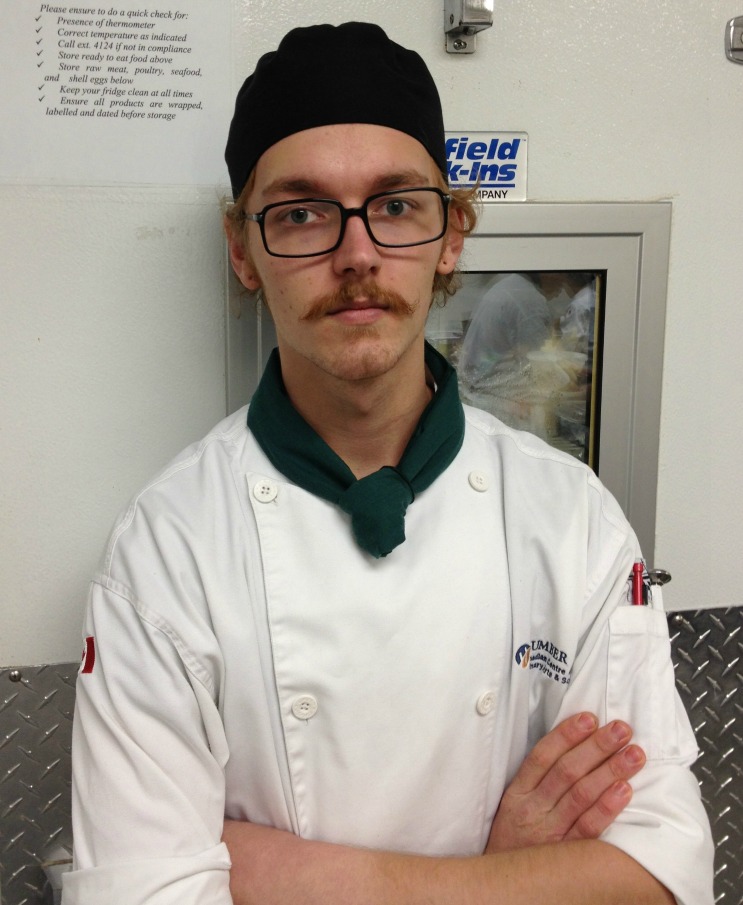
This year marks the 10th S. Pellegrino Almost Famous Chef Competition, and the Canadian regionals are coming up next Monday, January 30. We’ll have a rundown of all the action after the event. But in the meantime, we had the chance to chat with Cole Nicholson, a culinary student at George Brown College who’ll take part in the competition.

We were also given a great prize to give to one of our lucky readers: a $150 gift certificate to chef Susur Lee’s Toronto restaurant, Lee. Keep reading to find out how you can win. But first, check out my interview with Cole Nicholson.

Cole Nicholson George Brown

How long have you been cooking?
I’ve been cooking for about three years now. I started working in a restaurant when I was 17 years old and I took the culinary management program at George Brown when I finished high school. I’m usually one of the youngest people in the kitchen, if not the youngest, so it makes it kind of fun and a lot more people are open to teaching me new things.

What first inspired you to get involved in the kitchen?
The high school that I went to was originally a trades high school when it was opened; it had professional auto shops, carpentry labs and a full production kitchen. Part of the curriculum was to take a trade class. I decided to take cooking because nothing else really interested me and I thought it would be a good life skill to have. I ended up taking it all through high school and I really learned a lot. In my grade 11 year, the school got a new cooking teacher. He was completely different from any other teacher at the school – he was only 27 years old and this was his first teaching job. He was fresh out of the industry and was up on modern cooking techniques and styles. He made me realize that cooking could be cool. He changed a standard cooking class into something so much more; we learned how to make fresh tomato sauce, veal jus, homemade pasta and ravioli, even butchery. If not for him, I would have chosen a completely different career.

Why did you choose the culinary arts program at George Brown? How have the curriculum, instructors and interactions with others in Toronto’s food community helped you expand your skills in the kitchen?
When I first started researching culinary schools, George Brown really stood out to me because of the number of people that have graduated there and gone on to be successful. Almost every great kitchen in Toronto has someone that went there and I thought it was a great way to make connections. The teachers are amazing. Every one of them knows a lot and they are passionate about teaching. Many of them have great connections and are open to helping you with your career.

What cuisines and/or ingredients are you most passionate about?
I just got back from working and living in Italy for four months as part of my Italian program at George Brown. I worked in a great restaurant called Il Baluardo in the Piedmonte region of northern Italy. It was extreme culture shock at first, but being back home I miss everything about Italy. They have an amazing respect for food and ingredients and their lives revolve around their daily meals. I learned so much while in Italy and I came back to Canada with a lot of passion for Italian food and culture.

How would you define your cooking style? 
I don’t really think I am old enough or experienced enough to really have my own “style” of cooking yet. I love to learn new techniques and try to figure out new ways of preparing something. My favourite styles to learn from are chefs who use a lot of old school techniques and flavours in their cooking, but done in a modern way to get the most out of their product.

What current food trends are you most excited about?
The trend that excites me most right now is chefs having relations with farmers and purveyors and really promoting them in their restaurants and on their menus. I think this all really started with Thomas Keller at the French Laundry, but many other great chefs around the world and in Toronto have gone on to do the same.

How are you preparing for the S. Pellegrino Almost Famous Chef Competition?
I was first notified that I would be competing in the competition by my teacher back when I was in Italy. I was notified in October and had to have my menu submitted in November. I had no way of practicing while in Italy, so I did a lot of research on seasonal products of Canada at the time of the competition. I put a menu together using seasonal products that I find interesting and challenging to work with. I was a little homesick at the time, so my dish is pretty Canadian. When I got back to Canada a few weeks ago, I started practicing at the school and the dish came together. I’ve been practicing two or three days a week and refining the dish.

Have you heard much about previous years’ competitions to get a sense of what to expect and what’s worked for the competing chefs?
I had not really heard much about it until the student from George Brown (Jean-François Daigle) won the Canadian regional competition last year. His coach, who is now my coach, was one of my culinary instructors last year and I expressed interest to him in competing this year. One of the students in my program, Brian Cheng, competed two years ago and once he found out I would be competing he gave me a lot of helpful advice. He told me a lot of basic considerations to take into account when preparing the menu: proteins that I shouldn’t use, things the judges look for.

What are you hoping to do with your career once you’ve graduated from George Brown?
I really want to work in the U.S. I think that they have a lot to offer and I could learn a lot working there. Chefs there are combining some amazing skills and techniques with great products to produce some of the best food in the world. I have a list of places that I want to work at: The French Laundry in Napa Valley, Le Bernardin in New York City and Alinea in Chicago.

What chef would you most love to cook with?
If I could cook a meal with any chef, it would be Thomas Keller. I had the opportunity to meet him and hear him speak when he was in Toronto a few years ago. He completely changed my outlook on food. His whole approach to food and respect for ingredients and people is something to learn from. The French Laundry cookbook is like my bible, not for the recipes necessarily, but for the philosophy and wisdom. I had the opportunity to eat at his restaurant Per Se in New York City last year and it was a life changing experience. I knew after that meal what I wanted to do with my life.

WIN A $150 GIFT CERTIFICATE TO LEE RESTAURANT!

For a chance at this great prize, here’s what you need to do:

Click here to leave a comment, telling us about your top food experience. It could be a great restaurant meal you had, a food adventure like taking a cooking class in a foreign country, something amazing you cooked in your own kitchen, or a food memory from your childhood. The possibilities are endless. Whatever your favorite food experience is, we want to hear about it.

We’ll take all the comments we’ve received by 11:59 p.m. this Sunday, January 29, assign each a random number, and then choose a winner at random using random.org.

**You don’t have to live in Toronto to win, but the prize includes the restaurant gift certificate only (no travel expenses, etc), which means a winner from outside of the Greater Toronto Area must plan to be visiting Toronto in the near future to use the gift certificate.

Tags: , , , ,

Mushroom Ragout Instead of Meat

20 Jan

mushroom ragout bowl

At the start of January, I decided to give up meat for the rest of the month. I didn’t do it for health reasons, though there are several legitimate health-related arguments for cutting meat out of one’s diet. And I didn’t do it for any environmental reasons, though I do believe that anyone who eats meat should be concerned about how the animals they consume are raised, slaughtered and sold.

For me, it was a personal challenge more than anything. I love meat and I don’t think I’ve ever gone an entire week without eating it, so pledging to go meat-free for a month was going to be tough—and it has been. Truthfully, I haven’t completely eliminated animals from my diet. I decided early on that I would eat fish a couple of times during the month, and I have. And three weeks into this experiment, I’ve eaten meat exactly three times: on the day I decided to go meat-free, my dinner was a pork katsudon bowl at a Japanese restaurant; on one of our regular Friday night dinners with my in-laws, I ate half a chicken thigh; and last weekend I enjoyed an amazing taco smackdown lunch cooked by six different chefs, all of whom used meat as a taco filling. But the fact that I can still remember—and if I close my eyes, still taste—each of these meals proves to me that limiting my intake of meat is giving me an even stronger appreciation of it as more than just a protein to cook with.

And of course, giving up something when you love it means that, inevitably, you’re going to crave it—which brings me to the recipe alluded to in this post’s title. Mushrooms, especially the meatier varieties, can be a perfect substitute for meat if they’re cooked in a dish that brings out their texture and flavour and makes them the star of the show. This recipe was loosely inspired by a mushroom ragout featured in chef Yotam Ottolenghi’s cookbook, Plenty. It came out great, filled me up and definitely didn’t make me miss the lack of meat.

chopped mushroom mix

Mushroom and Lentil Ragout

1 shallot, diced
1 small carrot, diced
A small amount of fennel (or 1 celery stick), diced
A mix of fresh mushrooms (I used cremini, oyster and shitake), roughly chopped
A handful of dried porcini mushrooms, steeped in a cup or so of boiling water for 20 minutes
1 bay leaf
1 can of lentils, drained
1/2 C white wine (NOTE: I didn’t have white wine, so I added 1/3 C of vin santo, an Italian dessert wine)
Ricotta cheese

Remove porcini mushrooms from steeping liquid, and chop them into small pieces. Reserve the steeping liquid.

Heat a couple tablespoons of olive oil in a large pan over medium-high heat. Add shallot, carrot and fennel and sauté about 5 minutes.

Add mixed fresh mushrooms and some salt and pepper. Saute for 5 more minutes, stirring occasionally, then add wine and let it cook off for a couple more minutes.

Add chopped porcini mushrooms, as well as the steeping liquid.

Stir in lentils, and throw in a bay leaf. Turn heat to low and let the ragout simmer for 15 to 20 minutes, until the liquid has reduced by at least half.

Serve in a bowl, topped with a small spoonful of ricotta and a few drops of truffle oil.

mushroom ragout pan

Tags: , , , , , ,

Follow

Get every new post delivered to your Inbox.

Join 47 other followers